Mindfulness in Cottage Country: Why Muskoka Is the Perfect Place to Unplug
Science confirms what cottage-goers have always felt intuitively: proximity to water, trees, and natural silence creates the ideal conditions for genuine mental rest.
TL;DR
Mindfulness in Muskoka is easier because the environment does half the work. Research on “blue mind” (proximity to water) and forest bathing (shinrin-yoku) shows that Muskoka's 1,600+ lakes and 87% forest cover create neurologically optimal conditions for presence, calm, and genuine mental rest.
Why Do We Struggle to Unplug at the Cottage?
Mindfulness is the practice of noticing where your attention is and gently choosing where to put it. In Muskoka cottage country, the natural environment makes this practice almost effortless. Here is the paradox of the cottage weekend: you drive three hours to escape the noise, and then you bring the noise with you. The phone comes. The laptop comes "just in case." The mental to-do list rides along in the passenger seat, narrating the entire drive up Highway 11.
By the time you arrive, you're physically in Muskoka but mentally still at your desk. Research from the University of British Columbia found that the average person checks their phone 96 times per day. That habit doesn't stop at the cottage driveway. Without intention, the device follows you to the dock, to the dinner table, to the Adirondack chair where you're supposed to be watching the sunset.
Mindfulness isn't the absence of thoughts. It's the practice of noticing where your attention is and gently choosing where to put it. And Muskoka, it turns out, is unusually good at making this practice easier.
What Does the Science Say About Water and Trees?
Marine biologist Wallace J. Nichols spent years studying what he called the "blue mind" — the measurable cognitive and emotional shift that occurs when humans are near, in, on, or under water. His research showed that proximity to water lowers cortisol, increases creativity, and activates a mild meditative state characterized by calm focus and gentle awareness.
Muskoka has over 1,600 lakes.
The Japanese practice of shinrin-yoku — forest bathing — has been studied extensively since the 1980s. Researchers found that spending time among trees reduces blood pressure, lowers heart rate, decreases cortisol levels, and boosts natural killer cell activity (a key marker of immune function). The effect comes partly from phytoncides — organic compounds released by trees — that we inhale while walking through forested areas.
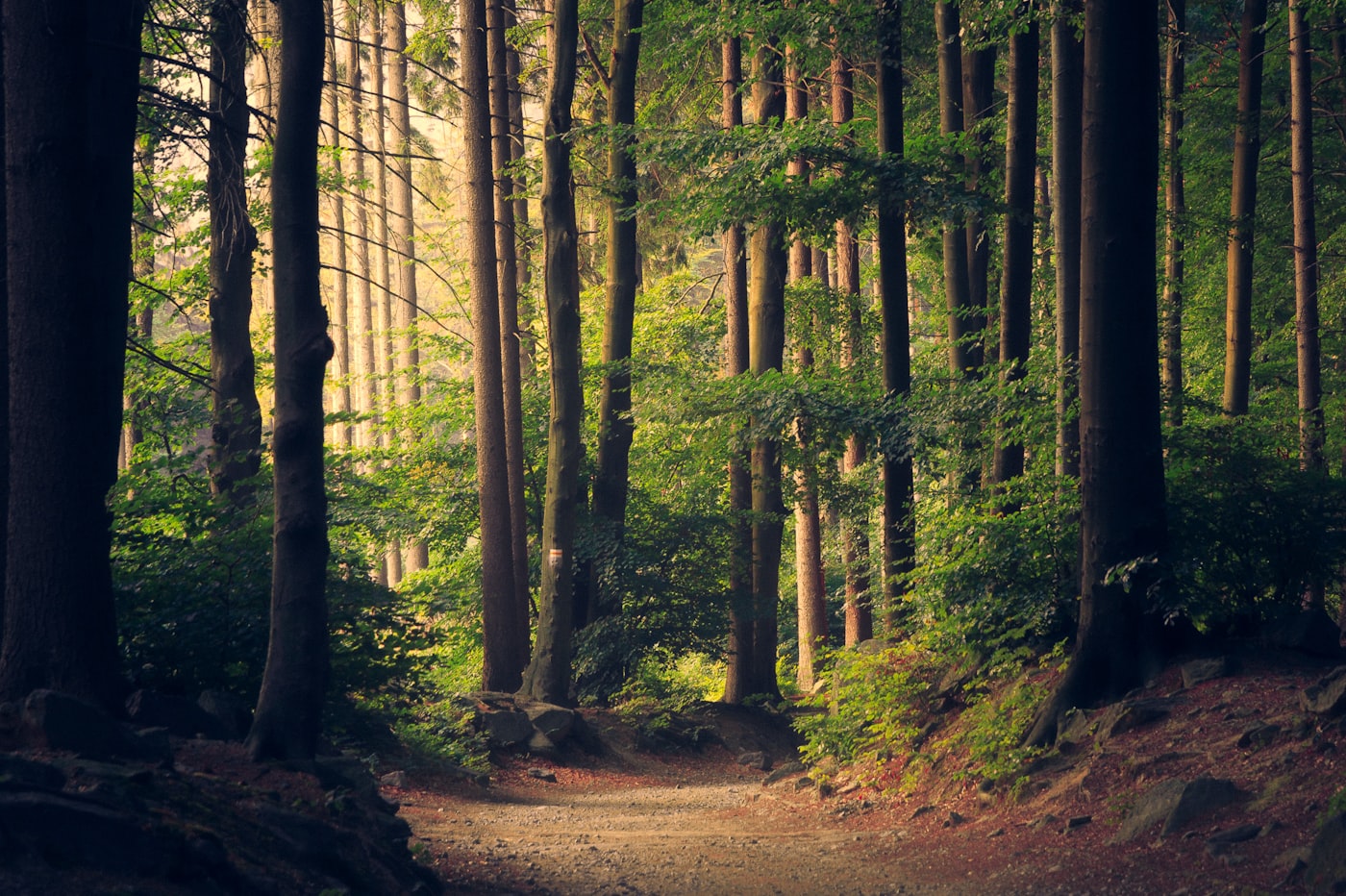
Muskoka is 87% forested land.
When you combine blue mind with forest bathing — water and trees in the same environment — you get something remarkable. You get an environment that is, from a neurological perspective, almost optimally designed for mindfulness. Your brain doesn't have to work to calm down. The surroundings do it automatically.
How Does Natural Silence Affect the Nervous System?
There is a particular quality of silence in Muskoka that you don't find in the city — or even in the suburbs. It is not the absence of sound. It is the absence of manufactured sound. The hum of an HVAC system. The distant drone of traffic. The ambient electrical buzz that you've stopped noticing but your nervous system has not.
In cottage country, the soundscape is organic: wind through white pines, water against the shoreline, a woodpecker in the birch stand behind the cabin. These sounds don't demand your attention. They don't trigger alertness. They wash over you in waves that your brain processes as safe, natural, and restful.
A study from the Brighton and Sussex Medical School found that natural sounds physically alter the connections in our brain, reducing the body's fight-or-flight instinct. Participants listening to natural sounds showed increased parasympathetic activity — the "rest and digest" response — while those listening to artificial sounds showed increased sympathetic activity.
In other words: the soundtrack of Muskoka is literally calming your nervous system while you sit there doing nothing. Mindfulness becomes less of an effort and more of a surrender.
How Can You Practice Mindfulness at the Cottage?
Knowing that Muskoka is good for you and actually letting it work are two different things. Here is what we suggest to our guests:
Create a phone home. When you arrive at the cottage, choose one spot — a drawer, a shelf, a basket by the door — where your phone lives. It doesn't leave that spot unless you're taking a photo. Check it twice a day if you must: once in the morning, once before bed. The rest of the time, let it rest.
Walk without purpose. Take a walk with no destination, no podcast, no music, no step count. Walk along the shore or through the trees and let your attention wander the way your feet do. Notice textures — bark, rock, moss, water. This isn't meditation. It's simply being present in a body that's moving through a beautiful place.
Sit with the transition. There is a moment — usually on the second day — where the restlessness peaks. You'll feel bored. You'll feel the itch to check something, fix something, plan something. This is the withdrawal. Sit with it. Don't fill it. On the other side of that discomfort is the actual rest you came here for.
End each day at the water. Before you go inside for the night, stand or sit at the water's edge for five minutes. Watch the light change. Listen to the lake settle. Let the day end the way nature intended — gradually, softly, without a screen.
Why Is Muskoka Uniquely Suited for Mindfulness?
Mindfulness teachers will tell you that you can practice anywhere — on a subway, in a boardroom, in a traffic jam. And that's true. But it's also true that some places make the practice almost effortless. Muskoka is one of those places.
The water does half the work. The trees do a quarter. Your only job is to show up, put the phone down, and let the place do what it has been doing for thousands of years: quietly returning people to themselves.
Frequently Asked Questions
What is mindfulness in cottage country?
Mindfulness in cottage country is the practice of being fully present in a natural lakeside environment. Muskoka's combination of water, forest, and natural silence creates neurologically optimal conditions for calm, focus, and genuine mental rest without requiring formal training.
Why is Muskoka good for meditation and mindfulness?
Muskoka has over 1,600 lakes and 87% forest cover. Research on “blue mind” and forest bathing (shinrin-yoku) shows that proximity to water and trees lowers cortisol, reduces blood pressure, and activates the parasympathetic nervous system, making mindfulness almost effortless.
Do I need meditation experience to practice mindfulness at the cottage?
No experience is needed. Mindfulness at the cottage can be as simple as standing on the dock for five minutes, walking through the trees without your phone, or sitting by the water and listening. The environment itself guides the practice.
What is forest bathing (shinrin-yoku)?
Forest bathing is the Japanese practice of immersing yourself in a forest environment. Studies show it reduces blood pressure, lowers heart rate, decreases cortisol, and boosts immune function through phytoncides (organic compounds released by trees). Muskoka's dense forests make it an ideal location.
Can Zen Muskoka guide a mindfulness session at my cottage?
Zen Muskoka offers private guided mindfulness immersions at your cottage anywhere in Muskoka. Sessions incorporate lakeside meditation, forest walks, breathwork, and nature-based presence practices tailored to your group.
How long does it take to feel the benefits of unplugging at the cottage?
Most people notice a shift within the first 24 hours, with the restlessness peaking on day two. By day three, the nervous system has typically settled into a calmer baseline. A single guided mindfulness session can accelerate this transition significantly.
Let Muskoka Do the Work
Book a mindfulness immersion at your cottage. We'll guide the practice — the lake, the trees, and the silence will handle the rest.
Book Your Session